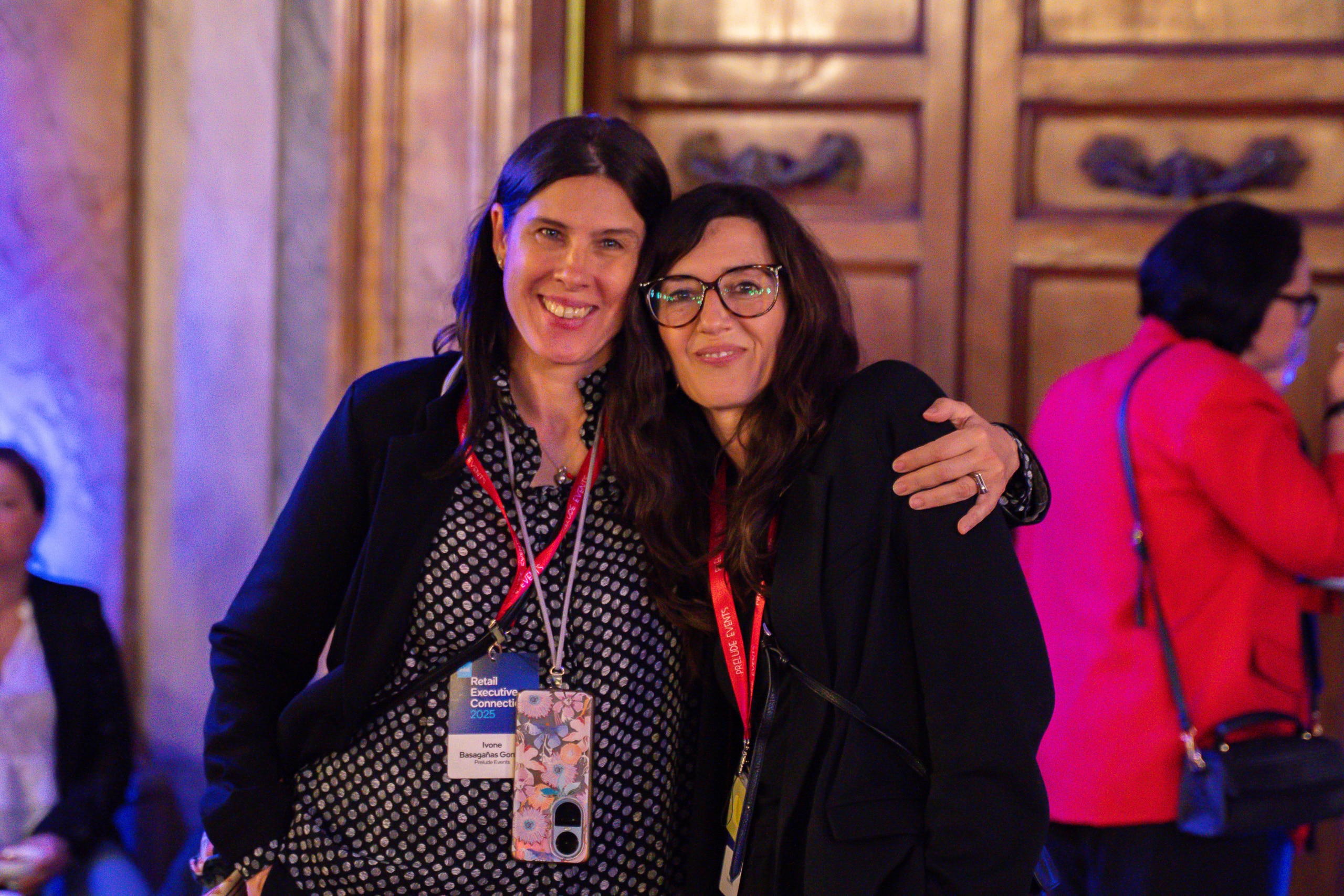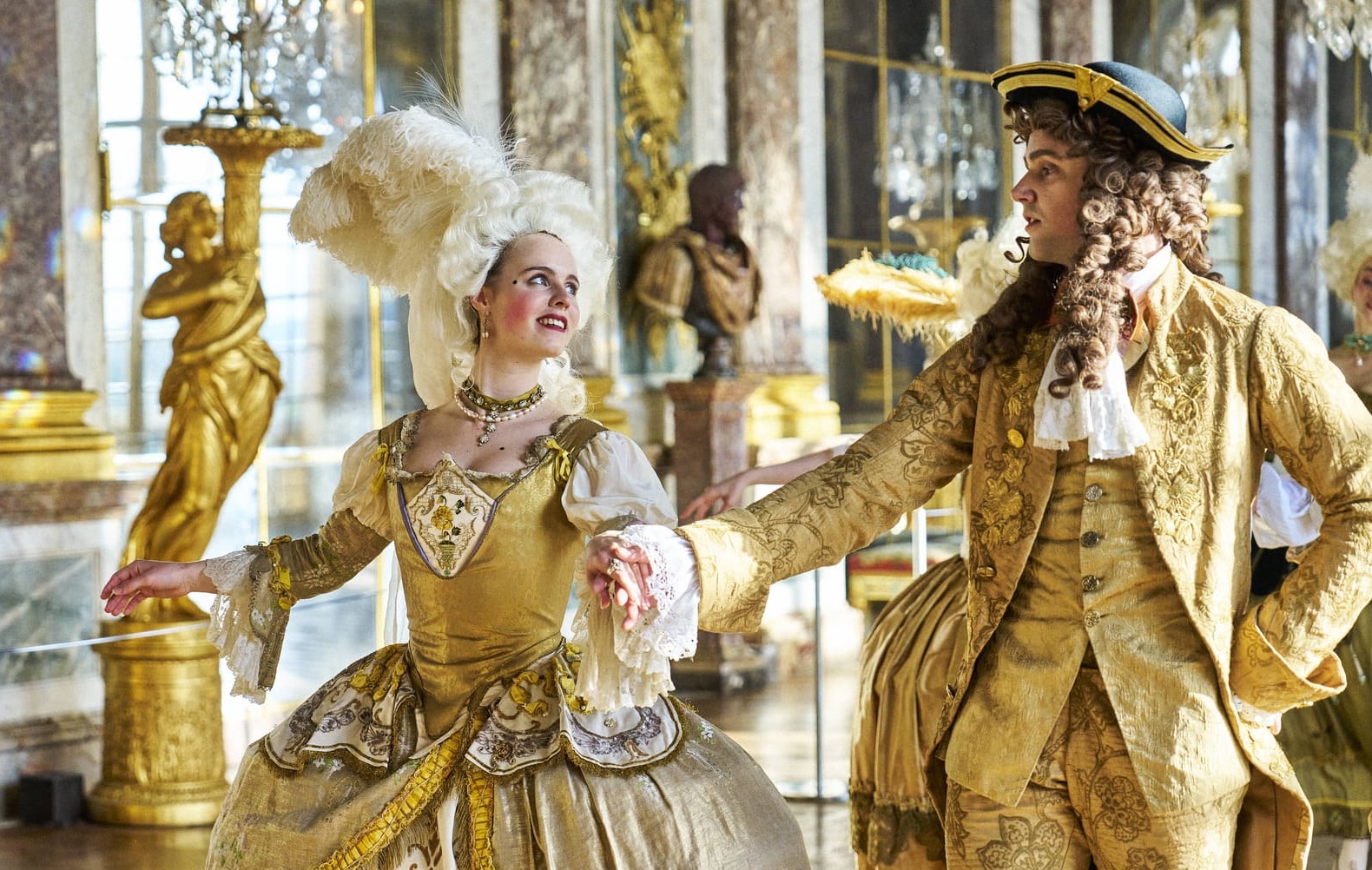
In corporate event production, creativity tends to take the spotlight. Bold concepts, striking venues and immersive experiences are what people see, photograph and remember. But behind every event that truly works, there is something far less visible and far more decisive: operational control.
A strong idea can capture attention. What actually sustains it is everything built underneath. In our experience at Prelude, creativity without operational precision rarely survives contact with reality.
The illusion of the big idea
When brands start planning an event, the conversation almost always begins with the concept. The theme, the narrative, the destination, the experience design. All of that matters. It defines how the audience will feel and what they will remember. But a concept on its own is only a starting point. We often see ideas that look exceptional in presentations struggle the moment execution begins. A venue that cannot support the technical setup. A show flow that doesn’t match speaker timing. A guest journey that works for 20 people but breaks with 400. The issue is rarely the idea itself. It is that creativity was developed in isolation, without being stress-tested against real conditions. The events that succeed are not necessarily the most “creative” on paper. They are the ones where creativity has been designed to hold up under pressure.
What makes creative corporate event production possible
For a creative idea to work in a live environment, dozens of moving parts need to align. The venue must support the production design. Technical teams must sync with stage management. Guest flow must integrate with catering, accreditation and security. Speakers must align with show cues, lighting and AV timing. None of this is visible to attendees. And yet, it is what determines whether the experience feels seamless or slightly off. This is where event production becomes less about imagination and more about orchestration. At Prelude, we tend to think of creative concepts not as ideas, but as systems. If every operational layer doesn’t support the idea, the idea doesn’t scale.
The invisible layer behind every successful event
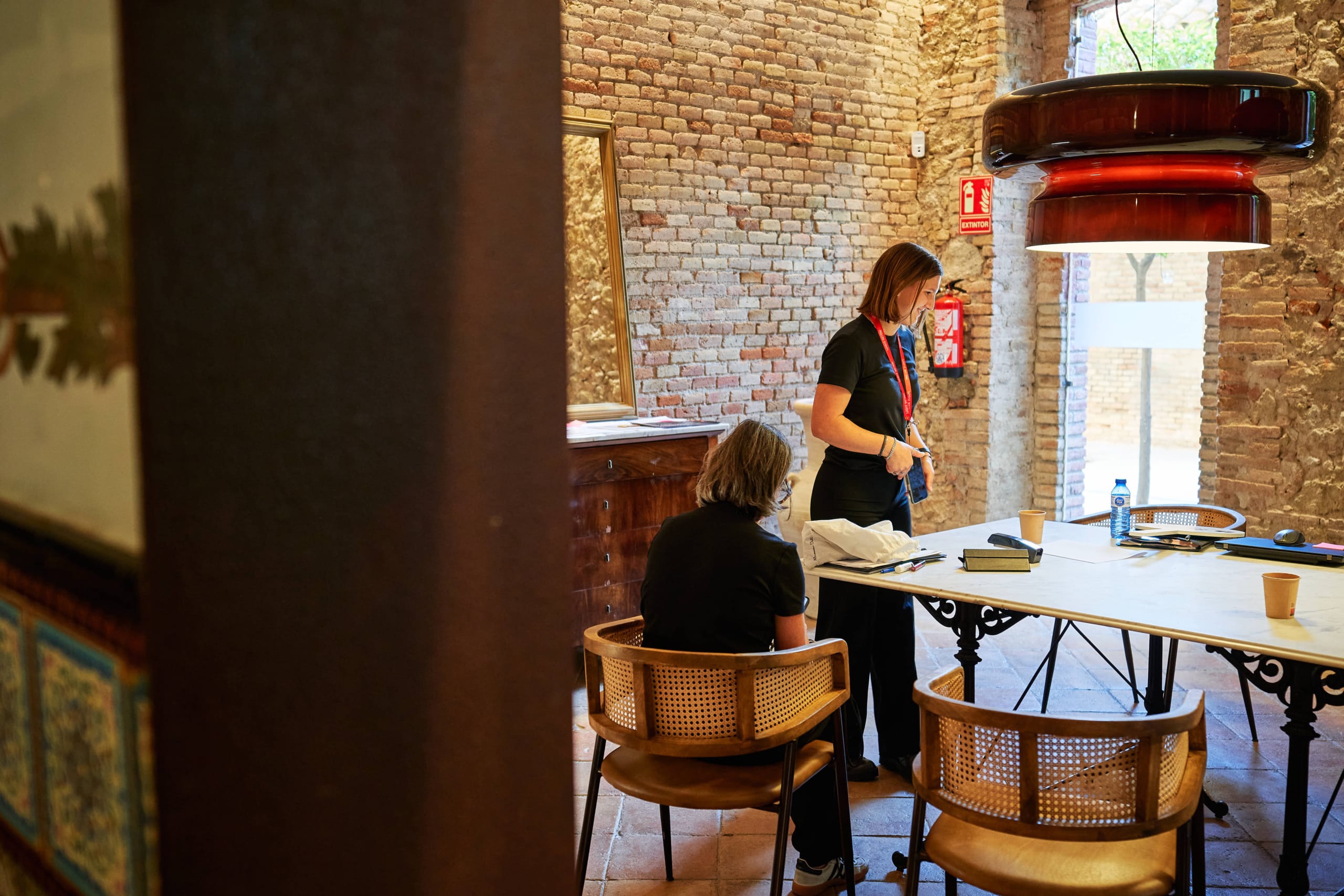
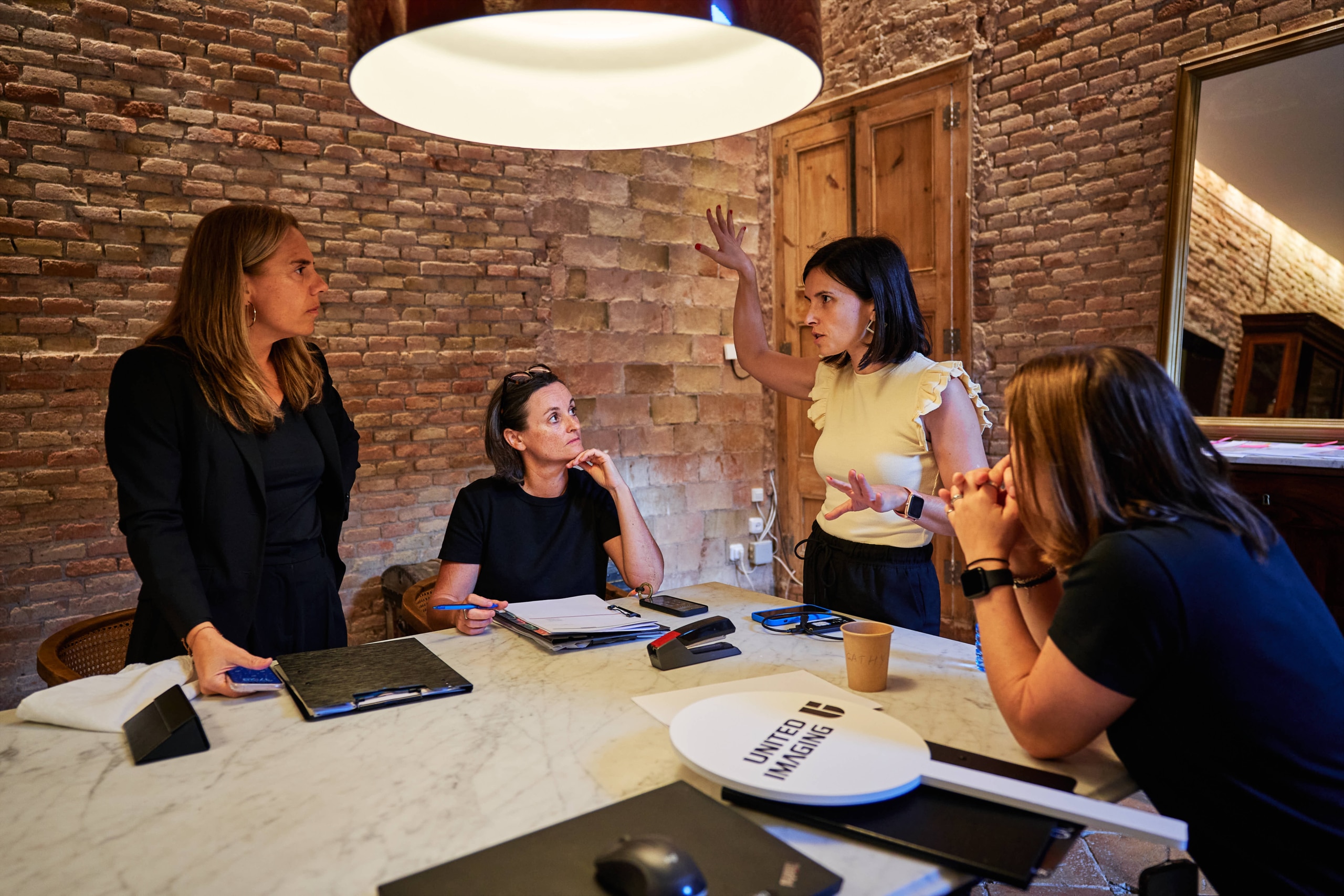
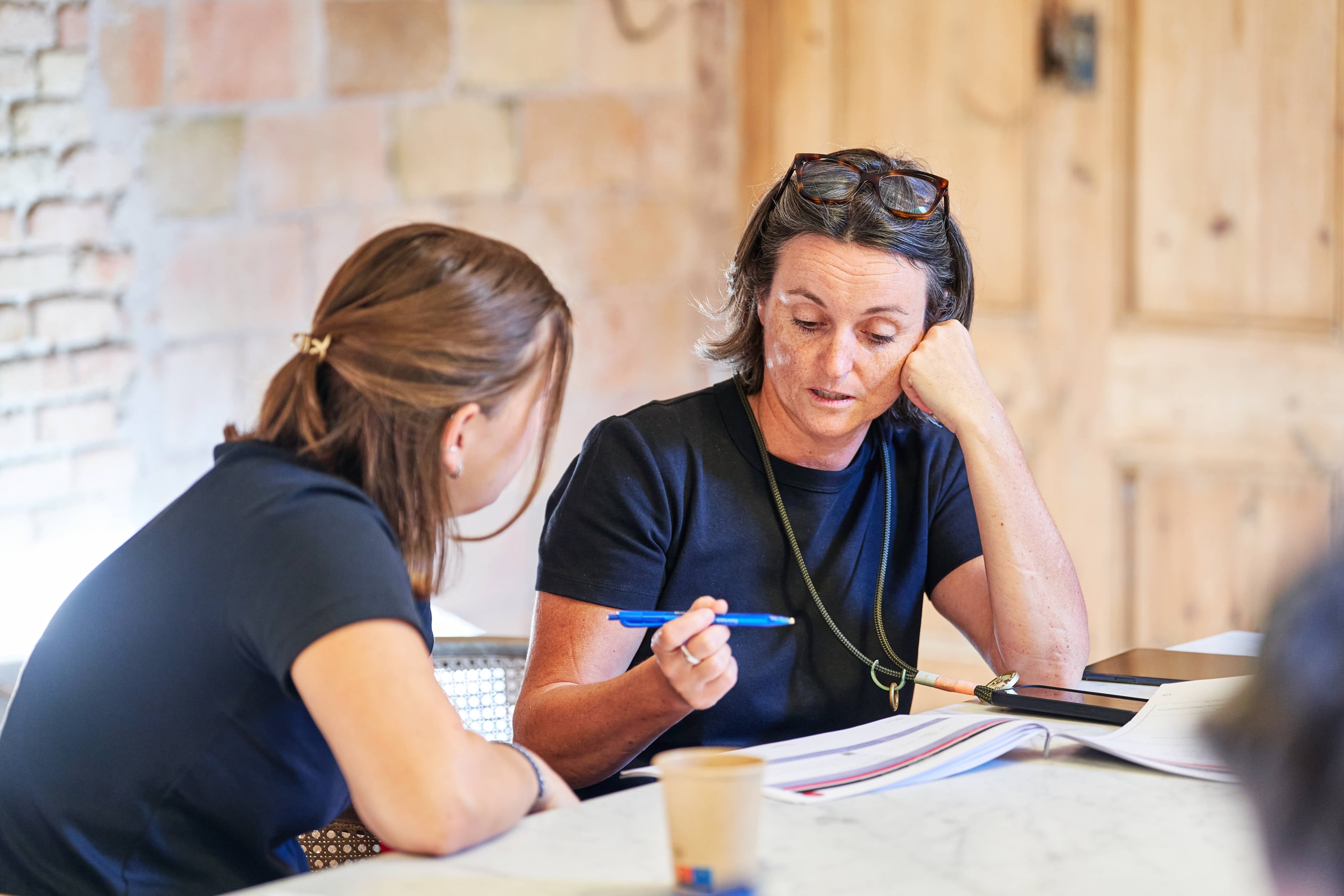
Most guests will never notice the operational structure behind an event. If everything works, it simply feels natural. But that sense of effortlessness is built very deliberately. Site inspections to validate feasibility. Production timelines coordinating multiple suppliers. Detailed run of show documents controlling every cue. Contingency plans for what cannot fail. Rehearsals that remove uncertainty from key moments. All of it exists for one reason: to protect the creative concept from friction. Take something as simple as a product reveal. On the surface, it is just a moment. In reality, it may depend on lighting cues, video synchronisation, stage mechanics and precise timing down to the second. If one element slips, the impact disappears. Operational control is what allows creativity to perform when it actually matters.
Global events multiply complexity
Creative concepts become far more fragile once events move across multiple markets. An experience that feels perfectly aligned in one location may behave very differently somewhere else once local production realities enter the equation. Timings shift, technical workflows change, approvals move at a different pace, and operational assumptions that worked in one city no longer apply in the next. This is where many creative ideas begin to lose consistency. At scale, global event production is not only about adapting logistics. It is about protecting the integrity of the experience across very different operating environments. The challenge is ensuring that the event still feels cohesive to the audience, even when the production conditions behind it are constantly changing. That requires more than a strong concept. It requires operational systems capable of absorbing complexity without weakening the creative outcome. At Prelude, this balance between flexibility and control is a critical part of how we approach international productions. Because the larger and more global an event becomes, the more execution determines whether the original idea survives intact.
Where creativity and execution finally meet
The best events are built at the intersection of imagination and control. Creativity defines the story. Operational mastery ensures the story unfolds exactly as intended, in real time, with no visible seams. When both are aligned, the result feels effortless. Natural. Memorable. What the audience doesn’t see is the level of discipline required to get there. Because in corporate event production, creativity is not just about having ideas. It is about building ideas that can survive timing, logistics and live environments without losing their impact. At Prelude, that’s the standard we work to. Because in events, potential is never enough. Execution is what people remember.