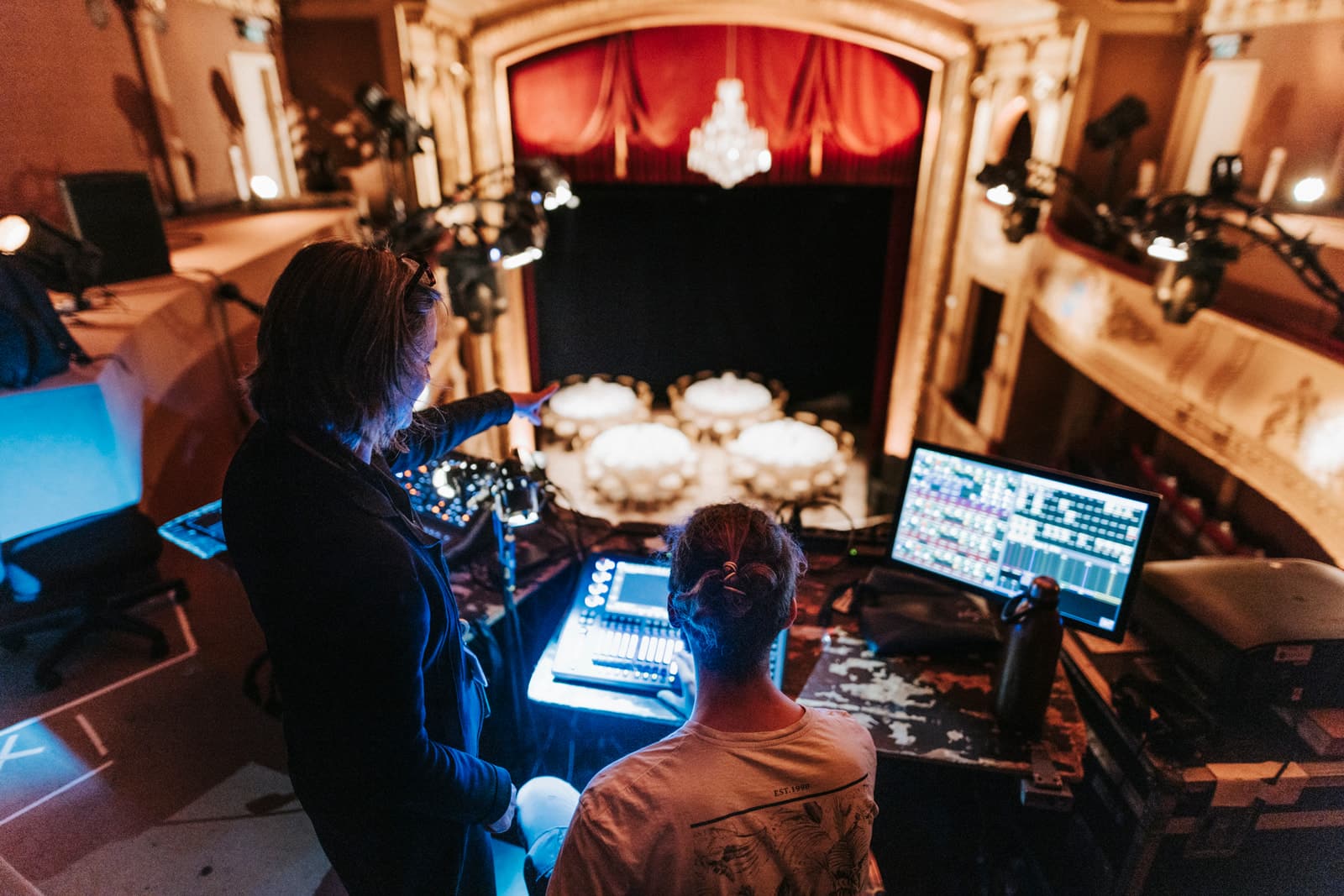
In live events, nothing that feels effortless is ever accidental.
When a show flows well, transitions land on time, speakers move without friction, and music, lighting and visuals work together, the audience experiences it as something natural. In reality, it is the result of a highly structured system operating with precision.
At the centre of that system is the show caller. In live events, this is the person responsible for turning a detailed programme into a precisely coordinated live experience, keeping technical teams, content and timing aligned in real time.
The system behind the moment
Every complex event is built around a run of show. While it may look like a timeline, it functions as the operational backbone of the live experience from a technical perspective. It defines timing, cues, transitions and dependencies, connecting creative intent with technical execution across lighting, sound, video and stage management. Every technical department works from it, and every cue within the programme is anchored to it.. However, a run of show is only as effective as the way it is executed in real time.
The role of a show caller in live events
The show caller operates backstage or from the control room, within to all technical production environment of the event, connected to all technical teams through a headset. Lighting, sound, video and stage management rely on a single point of coordination to stay aligned. Their role is to manage the overall organisation or logistics of the event, but to ensure that all technical elements and content are executed in precise alignment with the programme. They go beyond rhythm. They manage rhythm, control transitions and ensure that each technical and content element happens at the exact right moment. When this coordination works, the audience experiences continuity rather than complexity.
At Prelude, this is a role we prioritise in every production. Without that level of technical control, even strong concepts and high-quality setups begin to lose coherence.
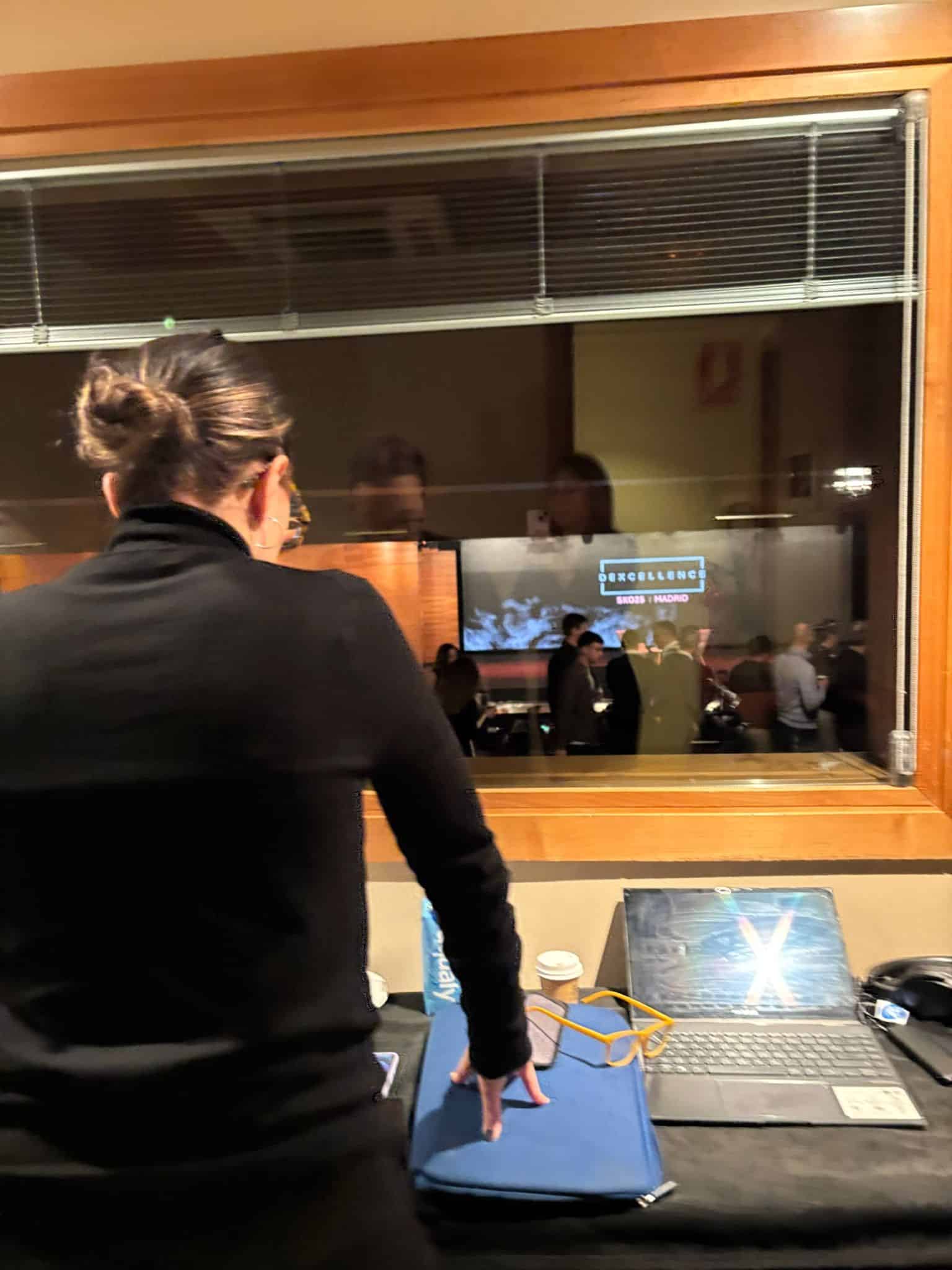
Where precision becomes visible
Live environments are inherently unpredictable. A speaker may run over time, a transition may need to be adjusted, or a last-minute change may affect the sequence of the programme. In these situations, the show caller becomes the point of stability. They adjust timings, communicate decisions clearly and maintain the overall flow of the event. The difference is often subtle, but it directly impacts how the audience perceives the experience.
When timing holds, the event feels confident and well-paced. When it doesn’t, the disruption becomes noticeable, even if the audience cannot identify the cause.
Before the audience arrives
The work of a show caller begins well before the event goes live. During pre-production and rehearsals, they help refine the run of show, test timings and identify potential risks. The objective is not only to define the programme, but to ensure it can operate under real conditions.
By the time the audience arrives, much of the complexity has already been resolved.
What makes the difference
Attendees rarely think about what sits behind a well-executed event. What they remember is how it felt: whether it flowed, whether it held their attention, whether it made sense. That perception is built through coordination, timing and control.
In that sense, the show caller is not simply a technical role. They are the link between planning and experience, ensuring that everything designed on paper translates into something that works live, in real time.