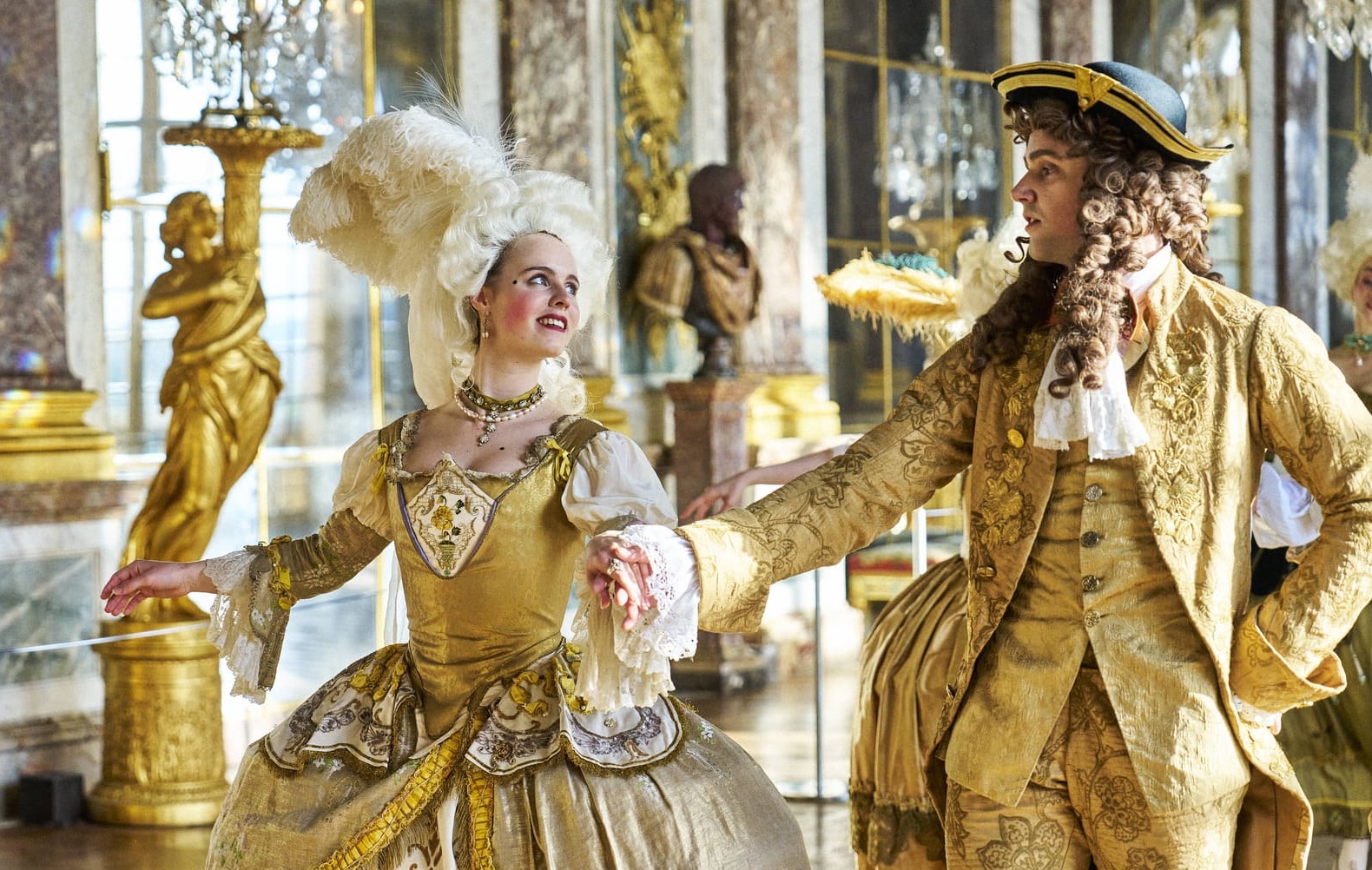
For event professionals, Versailles represents far more than a prestigious venue. It is a place shaped by history, symbolism and cultural weight, where every room already carries its own narrative long before an event begins. In a setting like this, event storytelling cannot be added afterwards as a creative layer. It has to shape the decisions from the beginning.
“An Evening with Marie Antoinette” was never conceived as a gala dinner alone. The ambition was to create an atmosphere that felt emotionally coherent with Versailles itself, as though the experience belonged naturally within the setting rather than being imposed onto it. That required a different kind of creative process.
Designing through historical immersion
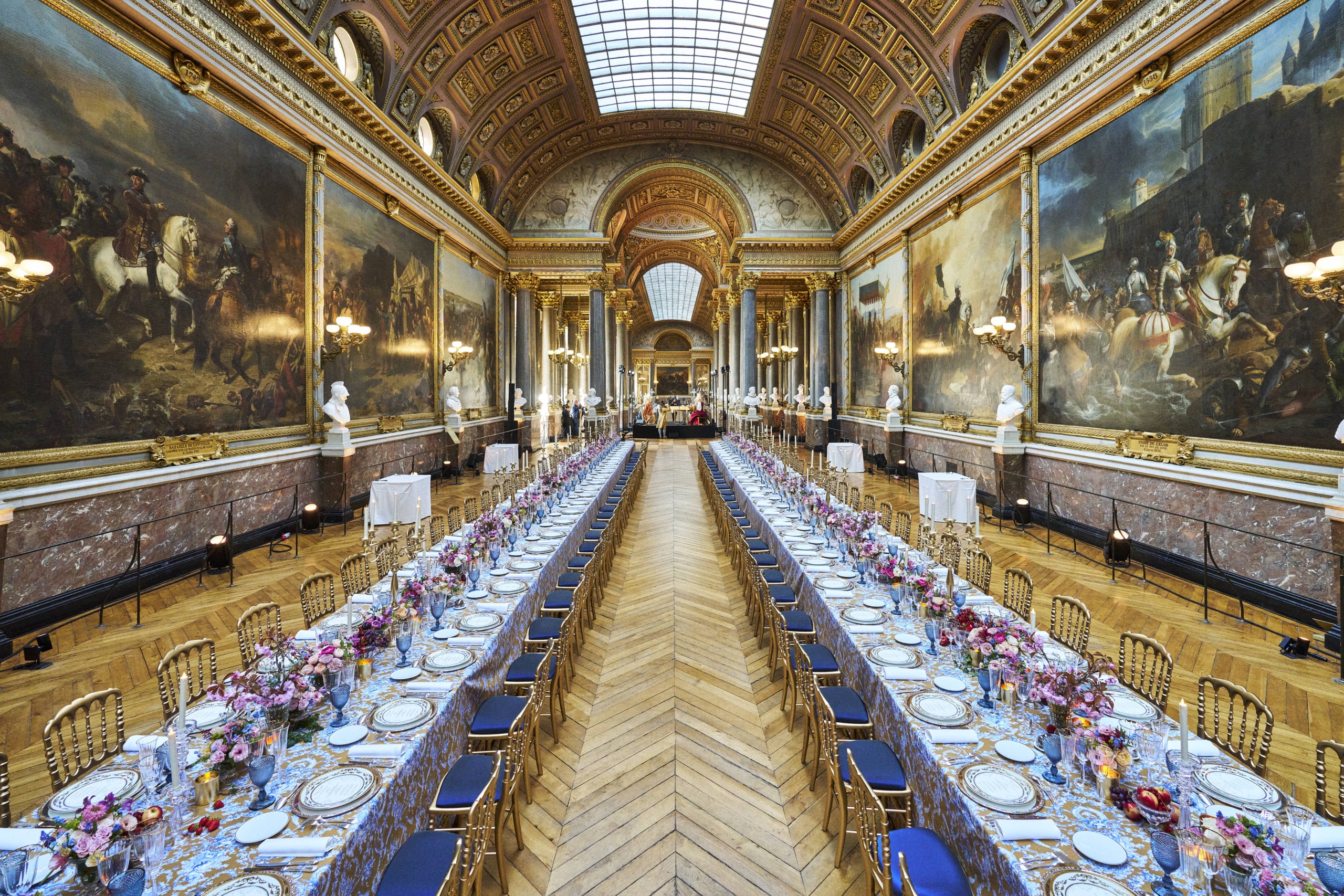
For nearly two years, every element of the project was developed through research, historical references and narrative consistency. The menu drew inspiration from ingredients and flavours associated with Marie Antoinette’s era and personal tastes. Floral compositions reflected tones and aesthetics connected to her world. Decorative details referenced authentic motifs and visual codes from the period without becoming theatrical or overly literal. The objective was never reconstruction. It was creating an experience capable of evoking a certain emotional atmosphere while remaining elegant, contemporary and respectful of the space surrounding it. From gastronomy and scenography to entertainment and pacing, every decision needed to contribute to the same story.
When the extraordinary becomes operational
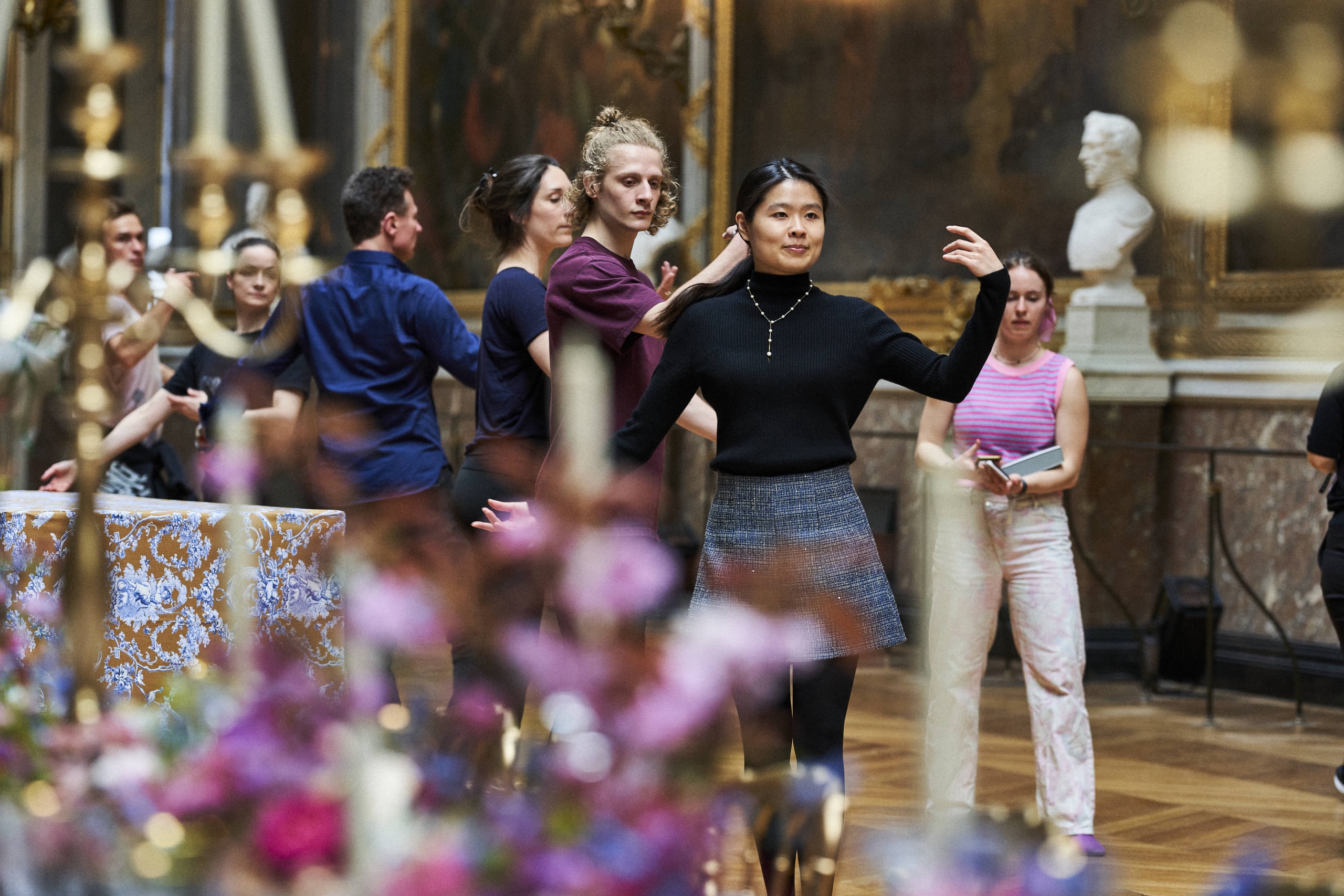
What makes projects like this unique is that, over time, the extraordinary slowly becomes part of the working process. You find yourself reviewing lighting cues inside the Galerie des Glaces, discussing production timings beneath chandeliers that have illuminated centuries of history, or walking through Versailles with a headset and show documents in hand as though it were entirely normal. Operationally, the work remains highly precise. Timelines, approvals, logistics and technical coordination still define the production process. But emotionally, something shifts. The distance between the event and its setting begins to disappear. At some point, you stop feeling like you are simply producing inside a historic venue. You begin to feel temporarily immersed in its narrative.
Creating with ambition, working with humility
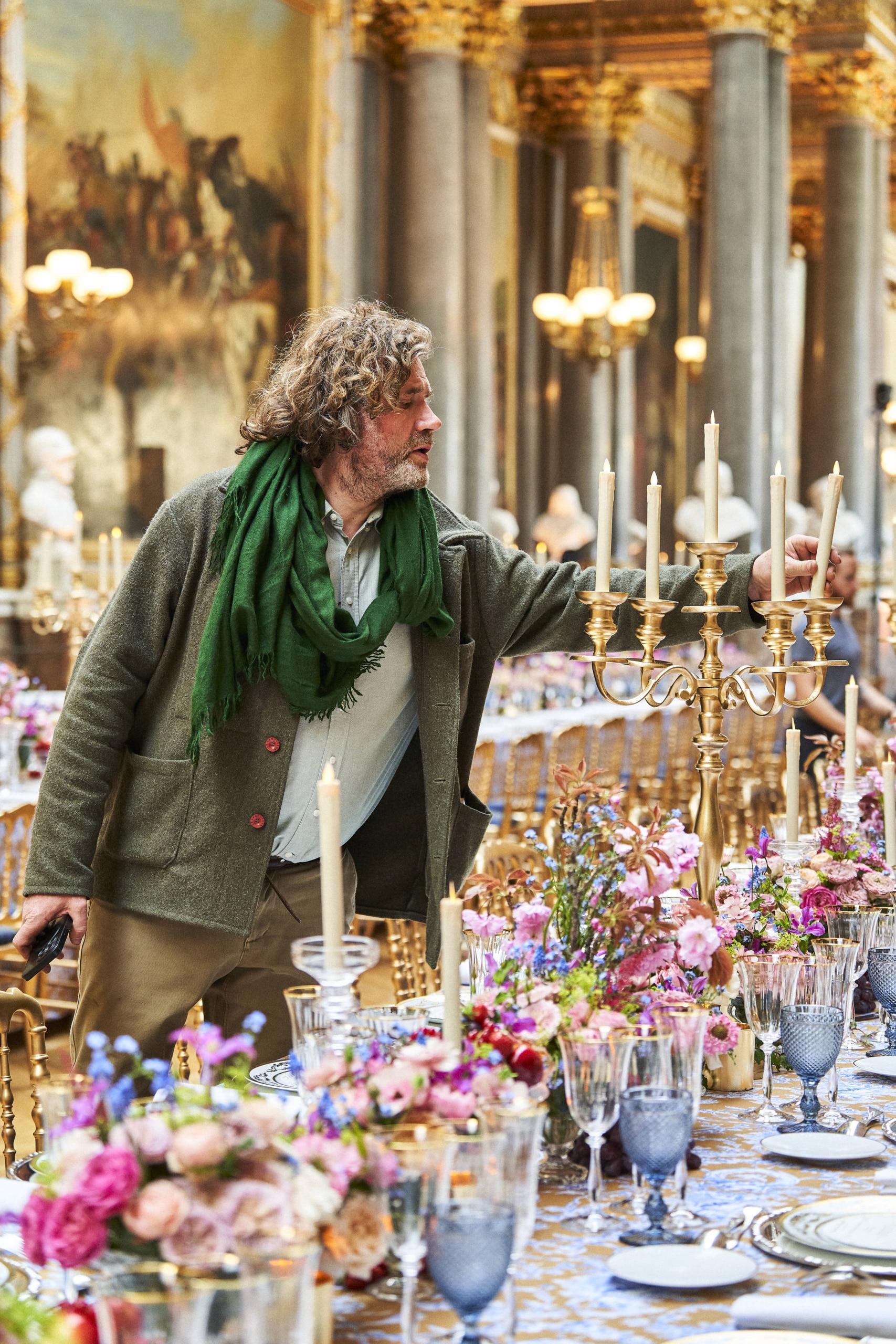
That immersion also comes with responsibility. Spaces like Versailles demand a very specific balance between creativity and restraint. The ambition to create something memorable can never overshadow the need to preserve and respect the heritage itself. For Prelude, this became one of the defining aspects of the project: understanding that the role of production was not to dominate the space, but to work in dialogue with it. Sometimes the strongest creative decisions are the ones that allow the venue’s own history and atmosphere to remain visible.
The emotion behind the production
What made this project especially meaningful was not only the final guest experience, but the collective awareness shared by everyone involved in creating it. Designers, florists, technicians, artists, producers and suppliers all understood they were contributing to something exceptionally rare. That feeling shaped the process itself. More than an event, the project became a temporary intersection between history, storytelling and live creation. And perhaps that is what makes immersive experiences truly powerful: not simply when guests feel transported, but when the people creating the experience become immersed in it too.